
 DEMOGOD
The Lost Art of the Sale
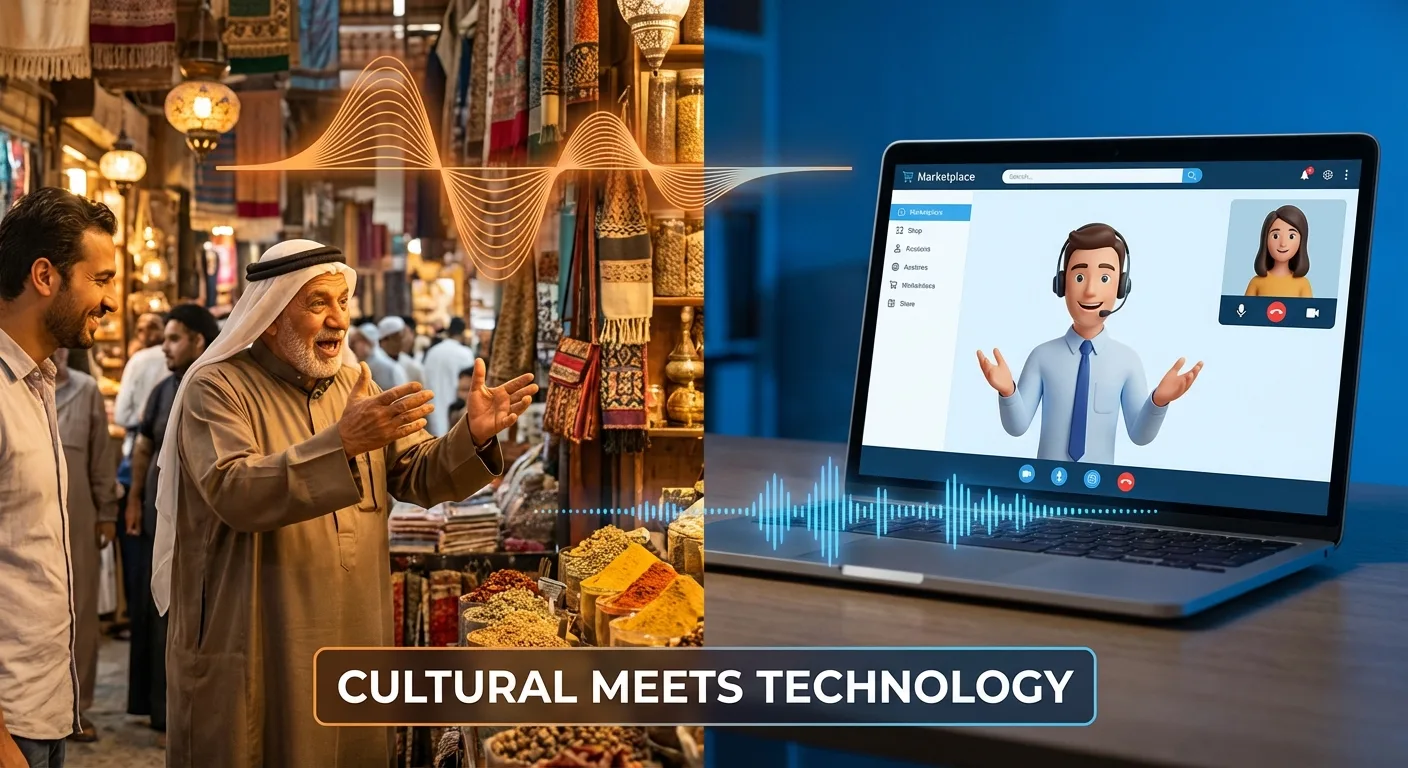
Walk through any traditional bazaar—from Istanbul's Grand Bazaar to Marrakech's souks—and you'll witness something remarkable: merchants who can read customers in seconds, adapt their pitch on the fly, and create genuine human connections that close sales. This art form, perfected over millennia, seemed destined to disappear in the age of e-commerce.
Until now.
Voice AI is bringing the bazaar salesman back to life—not as a replacement for human connection, but as a bridge between the cold efficiency of online shopping and the warm engagement of in-person sales.
Why Traditional E-commerce Falls Short
Let's be honest about modern online shopping:
- 82% of customers abandon their carts before checkout
- Product pages are static walls of text and images
- Chatbots feel robotic and frustrating
- No one is there to answer "will this actually work for me?"
The problem isn't the products. It's the experience. Online stores forgot that shopping has always been a conversation.
Enter the AI Salesman
Modern voice AI agents—powered by technologies like WebRTC for real-time communication and DOM-aware intelligence—can now do what seemed impossible:
1. Real-Time Conversation
Unlike chatbots that respond with canned messages, voice AI engages in natural, flowing dialogue. Ask a question, get an immediate spoken response. Interrupt with a follow-up—the AI adapts instantly, just like a human salesperson would.
2. Product Knowledge That Never Sleeps
Imagine a salesperson who has memorized every product specification, every customer review, every use case—and can recall any detail instantly. Voice AI agents integrate directly with product databases, providing accurate, comprehensive information without the "let me check on that" delays.
3. Personalized Recommendations
The best bazaar merchants remember their customers. AI salesmen take this further—analyzing browsing behavior, past purchases, and real-time conversation cues to suggest products that genuinely fit the customer's needs.
4. Available 24/7, Across Languages
Your AI salesman never takes a break, never has a bad day, and can switch between languages mid-conversation. Global commerce becomes truly accessible.
Real-World Applications Already Emerging
This isn't science fiction. Voice AI salesmen are already appearing across industries:
Retail Product Advisors
Electronics retailers deploy voice AI to help customers navigate complex product comparisons. "I need a laptop for video editing under $1500"—and the AI walks them through options, explaining trade-offs in plain language.
Bank Form Assistance Kiosks
Financial institutions use voice AI to guide customers through mortgage applications, loan forms, and account setup—turning intimidating paperwork into guided conversations.
Medical Form Filling Helpers
Healthcare facilities deploy voice AI to assist patients with intake forms, insurance information, and appointment scheduling—reducing staff burden while improving patient experience.
Government Service Kiosks
DMV offices and municipal buildings use voice AI to help citizens navigate permit applications, license renewals, and benefit enrollment without waiting in line for a human agent.
The Technology Behind the Magic
What makes modern AI salesmen actually work? Several converging technologies:
WebRTC for Real-Time Voice
Web Real-Time Communication enables sub-second voice streaming directly in browsers—no downloads, no phone calls, just instant voice interaction.
DOM-Aware Intelligence
The AI doesn't just talk—it sees the webpage. It understands what products are displayed, what buttons are available, and can guide users through actions: "Click the blue 'Add to Cart' button on the right side of your screen."
Large Language Models
Modern LLMs provide the conversational intelligence—understanding context, maintaining coherent dialogue across topics, and generating natural-sounding responses.
Voice Synthesis Advances
Text-to-speech has evolved from robotic monotone to expressive, natural voices that convey enthusiasm, empathy, and personality.
Why This Matters for Your Business
If you're running an e-commerce operation, SaaS product, or any digital service, voice AI salesmen offer compelling advantages:
- Reduced cart abandonment—customers get immediate answers to purchase-blocking questions
- Higher conversion rates—personalized guidance moves browsers to buyers
- Lower support costs—AI handles routine inquiries, freeing human agents for complex issues
- Competitive differentiation—most competitors still rely on static pages and frustrating chatbots
Getting Started with Voice AI Sales
Implementing voice AI doesn't require rebuilding your entire stack. Modern solutions like Demogod offer one-line integration—add a script tag, and your website gains a voice AI agent that understands your products and can guide customers through purchases.
The key is starting simple:
- Identify high-friction points—where do customers drop off or submit support tickets?
- Deploy voice AI there first—let the AI handle common questions and guidance
- Measure and iterate—track conversion improvements and expand coverage
The Future is Conversational
The bazaar never really disappeared—it just went digital. And now, with voice AI, we're finally bringing back what made those ancient marketplaces magical: the conversation, the personal touch, the merchant who actually helps you find what you need.
Your customers are waiting to talk. Is your website ready to listen?
Ready to add voice AI to your website? Try Demogod's interactive demo and see how AI salesmen can transform your customer experience.